Focus · 4 min read
Caffeine-Free Alternatives to Energy Drinks: Sustain Your Focus Naturally
Finding effective caffeine-free alternatives to energy drinks is a common goal for those looking to support their energy levels and mental focus without relying on stimulants. This article explores various options, from well-researched botanicals to lifestyle adjustments, that can help you maintain sustained vigor throughout your day.
By Vibe Editorial Team · Published 2026-10-14 · Updated 2026-10-14
TL;DR
- Many people seek caffeine-free alternatives to energy drinks for sustained energy and focus without the downsides of stimulants.
- Natural approaches include certain herbal supplements, adaptogens, and lifestyle practices like hydration and sleep.
- Distinguish between ingredients with established support and those requiring more research to manage expectations.
Why Consider Caffeine-Free Alternatives?
While caffeine offers an immediate lift, its effects can sometimes come with unwanted side effects such as jitters, anxiety, sleep disruption, and the eventual 'crash'. Many individuals seek to reduce their caffeine intake for various reasons, including sensitivity, sleep concerns, or a desire for more consistent energy without the peaks and valleys.
Opting for caffeine-free alternatives can lead to a more balanced and sustained energy experience. These alternatives often work by supporting the body's natural energy production pathways or by promoting mental clarity and resilience, rather than simply masking fatigue with a stimulant effect.
This shift can contribute to overall well-being, helping to regulate sleep patterns, reduce stress responses, and provide a more stable foundation for daily performance. Understanding how different options function can help in selecting the best approach for individual needs and daily routines.
Natural Botanicals for Sustained Energy and Focus
Several natural botanicals have garnered attention for their potential to support energy and focus without caffeine. These often include adaptogens, which help the body adapt to stress, and nootropics, which can support cognitive functions. It's important to differentiate between those with more established understanding and those where research is still emerging.
L-Theanine, an amino acid found in green tea, is often cited for its ability to promote a state of calm alertness. Studies suggest it can support alpha brain wave activity, which is associated with a relaxed but focused mental state. This can be particularly beneficial for those seeking mental clarity without the stimulating effects.
Rhodiola rosea is an adaptogenic herb traditionally used to support physical and mental performance, especially under stress. Preliminary research suggests it may help reduce fatigue and enhance concentration. Bacopa monnieri is another herb traditionally used to support cognitive function and memory. Research into its mechanisms is ongoing, with some studies indicating potential benefits for mental performance.
Lifestyle Foundations for Natural Vitality
Beyond supplements, foundational lifestyle practices are paramount for sustained natural energy and focus. Adequate sleep is perhaps the most critical factor; consistent, high-quality sleep allows the body and mind to restore and rejuvenate. Prioritizing 7-9 hours of sleep per night can significantly impact daily energy levels.
Hydration plays a vital role in every bodily function, including cognitive performance and energy production. Even mild dehydration can lead to fatigue and reduced focus. Consuming sufficient water throughout the day is a simple yet powerful strategy for maintaining vitality.
Regular physical activity not only boosts mood but also improves cardiovascular health and energy levels. Even moderate exercise can enhance circulation, oxygen delivery to the brain, and overall stamina. A balanced diet, rich in whole foods, provides the necessary nutrients for cellular energy production and optimal brain function. Avoiding processed foods and excessive sugar can prevent energy crashes.
Limitations and What We Don't Know
While many natural alternatives show promise, it is crucial to approach them with realistic expectations and an understanding of the current state of research. Much of the research on herbal supplements and adaptogens is still considered preliminary, with a need for larger, more rigorous human studies to fully understand their efficacy, optimal dosages, and long-term effects.
The individual response to these alternatives can vary significantly. What works well for one person may not have the same effect on another, due to differences in genetics, lifestyle, and overall health. Factors such as bioavailability, purity, and standardization of supplements can also influence outcomes, and these are not always consistent across products.
Furthermore, the scientific community is continuously learning more about the complex interplay between diet, lifestyle, and cognitive function. There are still many unknowns regarding the precise mechanisms through which some botanicals exert their effects and how they interact with individual biochemistry.
Making Informed Choices
When exploring caffeine-free alternatives, consider your specific needs and consult with a healthcare professional, especially if you have underlying health conditions or are taking other medications. They can help you assess potential interactions and guide you toward safe and appropriate options.
Look for reputable brands that provide transparency about their ingredients, sourcing, and manufacturing processes. Understanding the distinctions between established evidence and emerging research can help manage expectations regarding the benefits of various alternatives. Remember that supplements are intended to complement a healthy lifestyle, not replace it.
The journey to sustainable energy and focus is often multifaceted, involving a combination of dietary adjustments, lifestyle practices, and targeted supplementation. By thoughtfully integrating these elements, you can support your body's natural capacity for vitality without relying on caffeine.
Sources
NIH Office of Dietary Supplements Fact Sheets
National Center for Complementary and Integrative Health (NCCIH)
Food and Drug Administration (FDA)
Centers for Disease Control and Prevention (CDC)
Academic databases for peer-reviewed research on botanicals and cognitive function
Keep going
Frequently asked
- What can I drink instead of energy drinks that are caffeine-free?
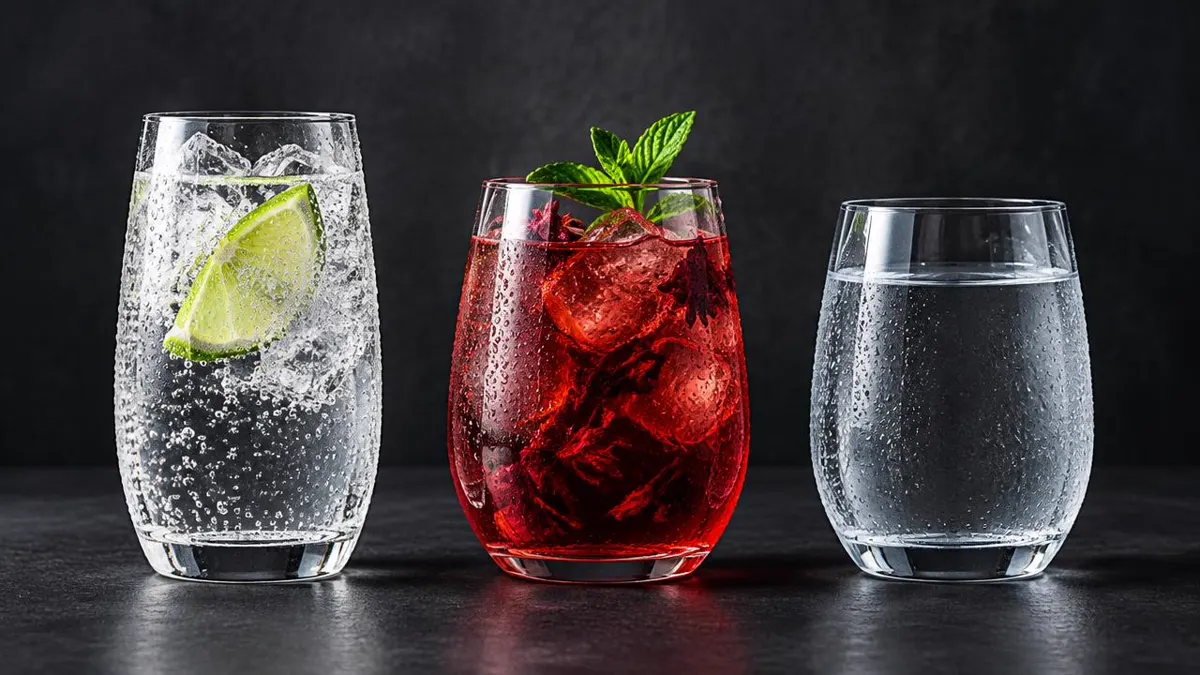
- Instead of energy drinks, you can choose from herbal teas (like peppermint or ginger), sparkling water with fruit, homemade smoothies, or functional beverages containing ingredients like L-Theanine or adaptogens for a caffeine-free boost.
- How can I get natural energy without caffeine?
- To get natural energy without caffeine, focus on optimizing your sleep, staying well-hydrated, engaging in regular physical activity, and maintaining a balanced diet. Certain botanicals like Rhodiola rosea or Bacopa monnieri may also support natural energy and focus.
- Do caffeine-free energy drinks really work?
- Caffeine-free 'energy' drinks or supplements aim to support energy and focus through non-stimulant ingredients like vitamins, minerals, or botanicals. Their effectiveness can vary depending on the ingredients, the individual, and the quality of the product; some have more established evidence than others.
- What are the benefits of reducing caffeine intake?
- Reducing caffeine intake can lead to benefits such as improved sleep quality, reduced anxiety and jitters, more stable energy levels without a 'crash', and potentially lower blood pressure. It can also help reset your body's natural energy regulation systems.
- Are there any side effects to caffeine-free alternatives?
- Most caffeine-free alternatives, especially those derived from natural sources, are generally well-tolerated. However, like any supplement or dietary change, individual sensitivities can occur. It's always advisable to consult a healthcare professional, especially if you have existing health conditions or are taking medications, to discuss potential interactions or side effects.
Tags
From the Learn hub
More from the blog
About the author
Vibe Editorial Team
In-house editorial collective, Vibe Premium Supplements
The Vibe editorial team writes and fact-checks every article on vibesupp.com. We work directly with our product and formulation team to keep ingredient, dosing, and safety language consistent with what is printed on our Supplement Facts panel and our published research notes. All content is supplement-compliant and reviewed against current FTC and FDA guidance for dietary supplement marketing.
View profile →Part of the Caffeine Reduction & Energy Drink Alternatives hub in the Focus Library.
Educational content only. These statements have not been evaluated by the FDA. This product is not intended to diagnose, treat, cure, or prevent any disease.